Bluefish Fishing
Bluefish: character and habitat
Bluefish is one of the most aggressive inshore saltwater predators. It hunts in schools, surrounding a baitfish school and slashing through it with razor-sharp teeth. In a feeding frenzy, bluefish literally shred their prey — earning the nickname "sea wolf." Fish hold in the upper and mid-water column and prefer points with current.
Seasonality and behaviour
Most active in warm weather. In spring they appear near the coast following incoming baitfish. Peak fishing is summer through early autumn, when bluefish chase mullet, horse mackerel, and anchovy near the surface. "Blitzes" of attacking bluefish are visible from the splashes and birds overhead. Larger fish hold deeper; smaller ones stay near shore.
What triggers them
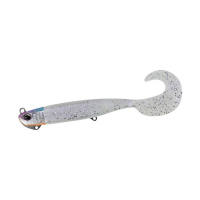
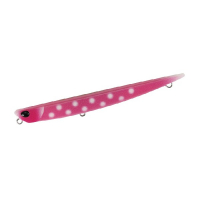
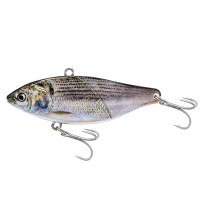
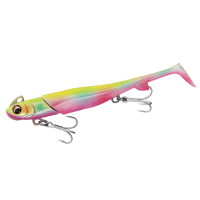
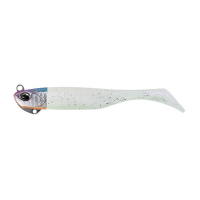
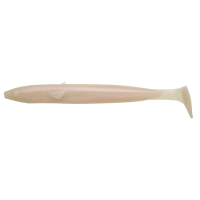
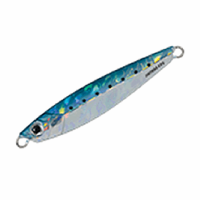
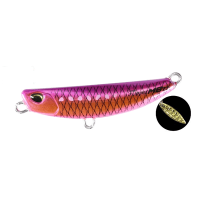
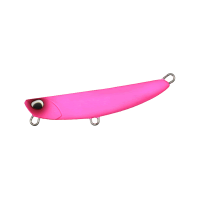
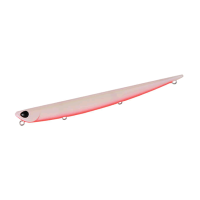
Bluefish takes most lures at a fast retrieve: metal spoons, large spinners, casting spoons, surface lures (poppers, walk-the-dog plugs). Speed and an aggressive strike are key. A steel leader is mandatory: sharp teeth will cut through fluorocarbon and monofilament in seconds.
Tips
- A steel leader is not optional — bluefish will cut through any other material.
- In a blitz, cast to the center and retrieve fast — bluefish in a frenzy take anything.
- Use a single hook instead of a treble — easier to remove from a toothy mouth.
- Attach the lure to a strong snap — bluefish sometimes deform rings.
- Watch your fingers after the catch: teeth are razor-sharp, grip is powerful.
Recommended gear
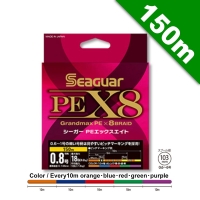
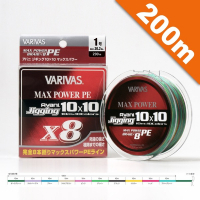
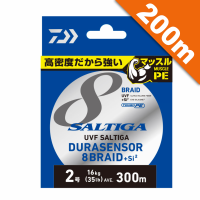
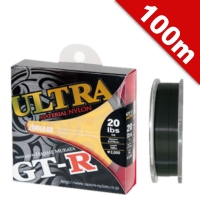
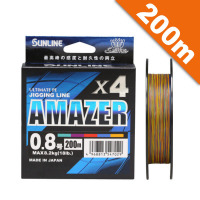
Medium rods, test 15–40 g, length 2.4–3.0 m. Reels 3000–4000. Braided line PE 1.0–2.0. Steel leader or heavy fluorocarbon 0.5–0.8 mm. Lures: pilkers 20–50 g, large spinners, casting spoons, poppers 80–100 mm.