Catfish Fishing
Catfish: habitat
Catfish is one of the largest freshwater predators. It lives in deep holes in large rivers, reservoirs, and warm lakes. Active primarily at night: it moves onto flats and floodplains to hunt fish, frogs, and crustaceans. By day it holds in holes, around snags, and beneath undercut banks.
Seasonality
Optimal season is summer and early autumn, when the water is warm. On calm nights catfish move onto the shallows. In spring — spawn and a post-spawn feeding frenzy. Sluggish in winter, retreating to depth. A large catfish is a true trophy requiring powerful tackle.
What triggers them
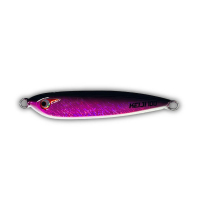
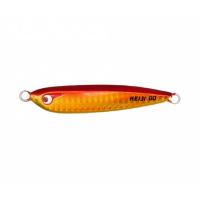
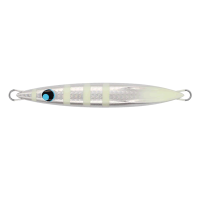
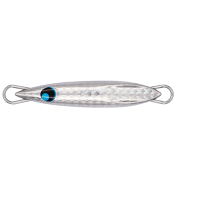
Large live bait, dead fish, frog, or a bunch of worms are classic baits. Spinning methods: large soft plastic on a heavy jig head, jerkbait. "Clonking" (acoustic calling) is a traditional way to lure catfish at night. Trolling large crankbaits through holes is also used.
Tips
- Fish at night: catfish come out to feed in darkness.
- A heavy anchor and a powerful reel — without them a large catfish will take the whole rig.
- Clonking at night from a boat works: the sound draws catfish from a distance.
- Live bait on the bottom near the hole is one of the most reliable methods.
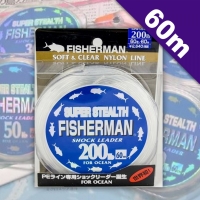
- A leader is mandatory: catfish skin and bottom structure abrade thin line quickly.
Recommended gear
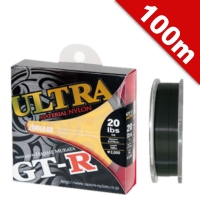
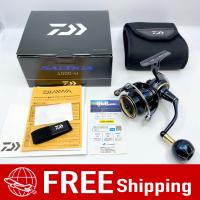
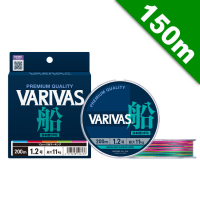
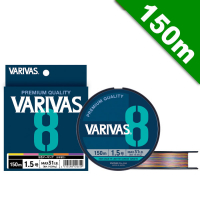
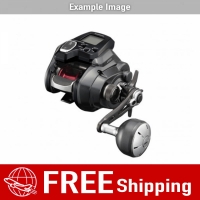
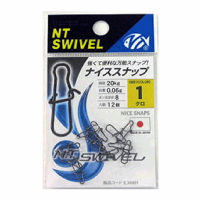
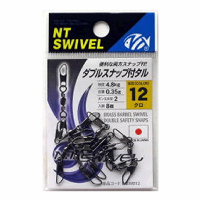
Powerful Medium-Heavy and Heavy rods, test 50–150 g, length 2.4–3.0 m. Conventional or powerful spinning reels 6000–10000. Braided line PE 3.0–6.0. Leader of heavy fluorocarbon or wire. Hooks #1/0–4/0.