Float Fishing
What is float fishing
Float fishing is a classic method in which a float serves as the bite indicator. The bait or lure is held at a set depth; when a fish takes — the float dips or moves sideways. The method is accessible to anglers of all skill levels and is effective for a wide range of species: from coarse white fish to predators.
When and where it is used
Float fishing works on rivers, ponds, lakes, and in coastal saltwater. In summer it is the main technique for crucian carp, bream, roach, and rudd; in winter (where ice-free) it requires a slower approach with minimal action. In saltwater, a float is used for horse mackerel, garfish, and mullet near the surface.
Core mechanics
The rig consists of a float (shotted so only the tip shows above water), a sinker, and a hook trace. A pole or match rod allows fishing at different distances. The three key controls are: depth setting, bait choice, and groundbait.
Tips
- Shot the float precisely: 1–2 cm of visible tip is the optimal bite indicator.
- In current, use a sliding sinker or a string of shot for correct bait presentation.
- Introduce groundbait in balls before fishing, then maintain with small portions.
- Adjust depth: fish often hold at a specific level in the water column.
- In midday heat fish go deeper or into shade — look there.
Recommended gear
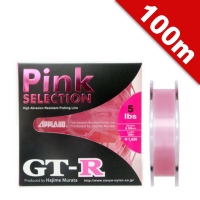
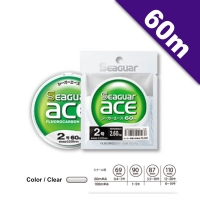
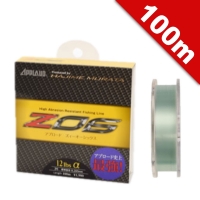
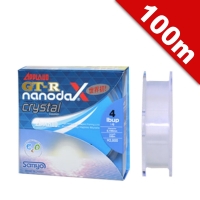
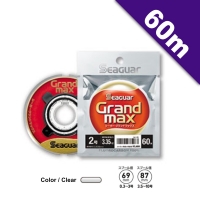
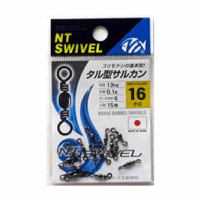
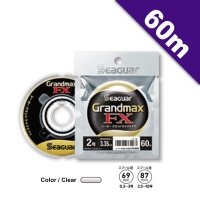
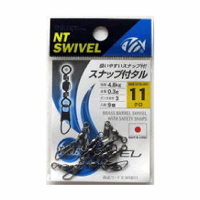
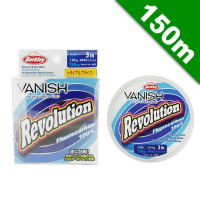
Pole rods 4–7 m (no rings) or match rods with rings for long-distance casting. Spinning reels 1000–2500 with thin monofilament 0.12–0.18 mm. Floats 1–6 g depending on distance and current. Hooks #8–16 (Japanese sizing). Groundbait mixes to hold fish in the spot.