Flounder Fishing
Flounder: way of life
Flounder is a flat bottom fish that lies on the seabed, blending perfectly with the substrate. It inhabits sandy, shell, and mixed bottom in seas and brackish bays. It feeds on small fish, worms, crustaceans, and small molluscs. Attacks from ambush from below, seizing prey with a sudden lunge.
Where and when to fish
Best seasons are spring (spawn) and autumn (feeding frenzy). In summer, active in cool morning hours. Holds at depths of 5–50 m on flat ground. Typical spots: sandy shallows with current, river mouths, and marine bays.
What triggers them
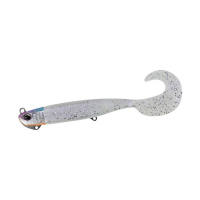
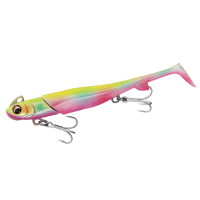
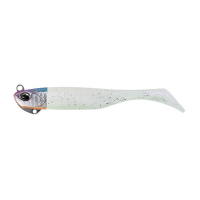
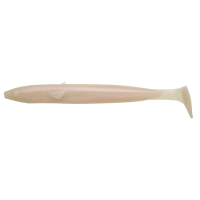
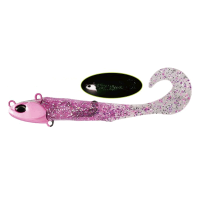
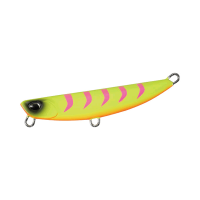
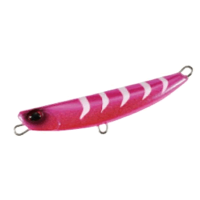
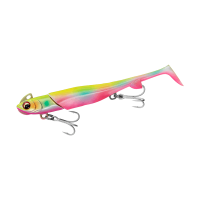
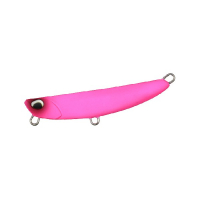
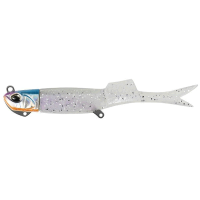
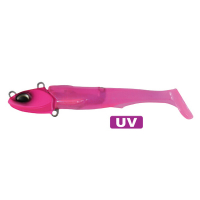
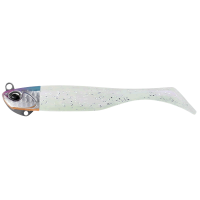
A bottom rig with natural bait (marine worm, mussel, piece of fish) is the main method. Slowly dragging the rig along the bottom imitates a small worm and provokes an attack. A light jig with a soft plastic minnow worked right along the bottom also produces results on active flounder.
Tips
- Drag the rig slowly along the bottom — flounder attacks moving bait.
- Find the transition from hard to soft substrate — flounder concentrate there.
- A long trace 50–80 cm lets the bait move freely near the bottom.
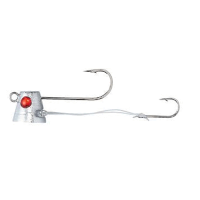
- A double trace increases chances when fish are spread out.
- Fish in the current: flounder face into the current, so the bait should come naturally.
Recommended gear
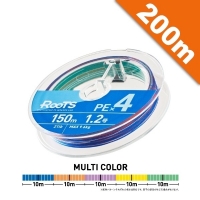
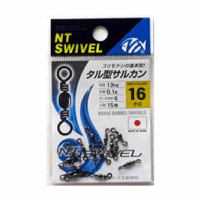
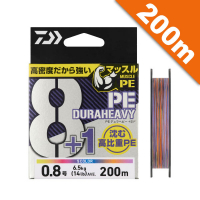
Medium-Light rods, test 20–50 g, length 2.4–3.5 m (shore fishing). For boat fishing — a short side rod 1.5–1.8 m. Monofilament 0.25–0.35 mm or braided line PE 1.0–1.5. Bottom sinkers 30–80 g, leaders 0.2 mm. Hooks #2–6.