Horse Mackerel Fishing
Horse mackerel: where and when to find them
Horse mackerel is a pelagic schooling fish that holds in mid-water and near the surface. It feeds on small crustaceans, fry, and plankton. Schools of horse mackerel are mobile and follow their food source. Best spots are headlands, points with current, drop-offs, and open-water exits from piers and shorelines.
Seasonality and behaviour
The most productive period is warm weather, when horse mackerel feeds actively near the surface. Early morning and evening bites are the most consistent. During the day fish move deeper, but will come up to the surface any time a food source is present. Visual cues include splashes and birds working above the water.
What triggers them
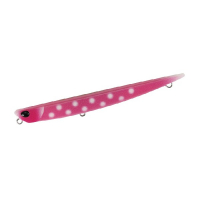
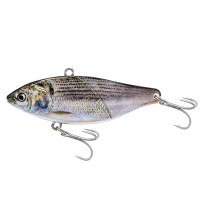
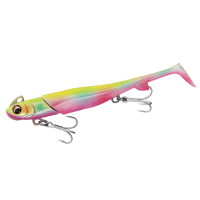
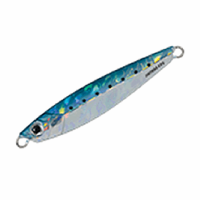
Horse mackerel responds well to small metal lures: pilkers and spoons 10–30 g, small spinners. A fast, steady retrieve through mid-water is the baseline tactic. A sabiki rig (multiple small flies or hooks on one line) is a traditional and highly effective option.
Tips
- A fast, steady mid-water retrieve is the baseline for horse mackerel.
- A sabiki rig with 4–6 flies lets you catch several fish per cast.
- Look for birds above the water — there is almost always a school beneath them.
- Try different depths: count seconds before starting the retrieve.
- Horse mackerel bite in schools: after one catch, cast to the same spot immediately.
Recommended gear
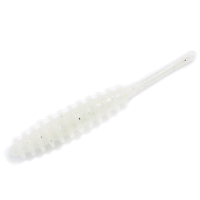
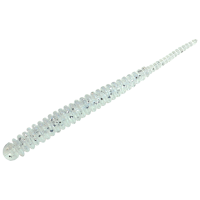
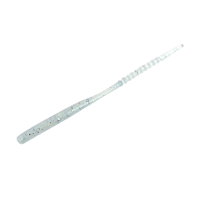
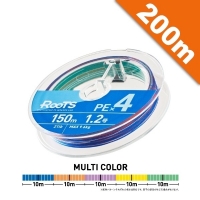
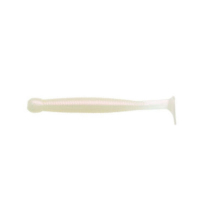
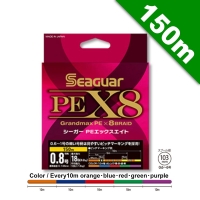
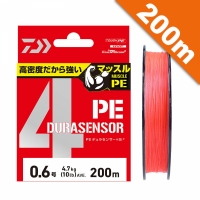
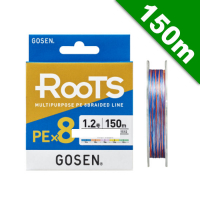
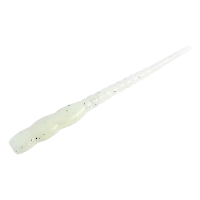
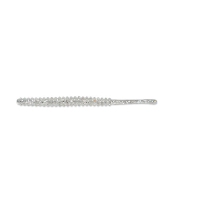
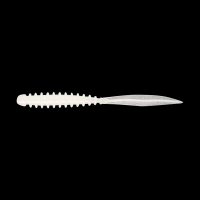
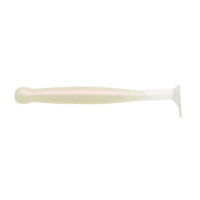
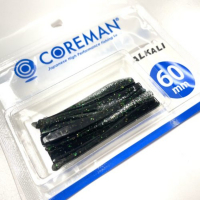
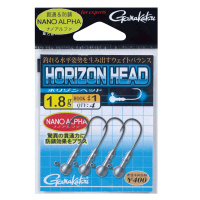
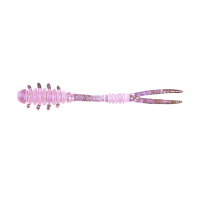
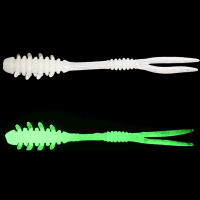
Light and Medium-Light rods, test 7–25 g, length 2.4–3.0 m. Reels 2500–3000. Braided line PE 0.8–1.2 or monofilament 0.2–0.25 mm. Lures: sabiki rigs, small pilkers 10–25 g, spinners #2–4, soft plastic worms 2–3 inches on a light head.