Jigging
What is jigging
Jigging is a spinning technique based on vertical lifts of the lure followed by a fall to the bottom. The classic "step" retrieve (lift–pause–lift) imitates a wounded baitfish or crustacean feeding near the bottom. Most strikes happen on the pause, during the fall.
When and where it is used
Jigging is effective year-round, especially in cold water when predators are sluggish and unwilling to chase fast lures. It works on rivers with current, reservoirs, and coastal marine zones. Irregular bottom with depth changes, submerged structures, and snag-filled areas are prime spots.
Core mechanics
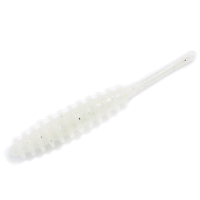
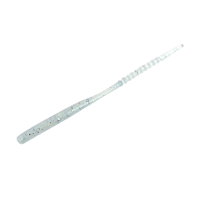
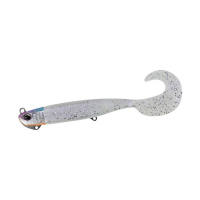
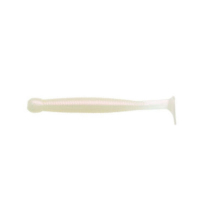
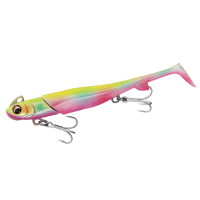
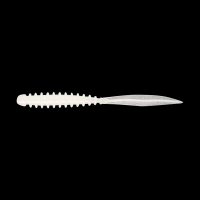
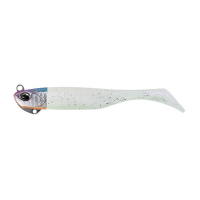
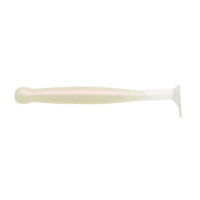
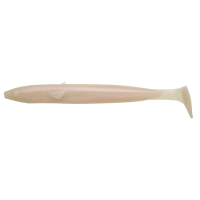
A jig head with a hook plus a soft plastic (paddle tail, twister, craw) is the basic setup. The rod lifts the lure, the line goes slack — the lure glides to the bottom. Jig head weight is matched to depth and current: the stronger the flow, the heavier the weight. For finesse jigging on shallow, current-free water, 3–7 g is sufficient.
Tips
- Pause length is the main variable: in cold water, hold up to 3–4 seconds.
- Watch the line on the fall — a strike often shows as a twitch or the line stopping.
- In current, keep the rod angle lower — less bow in the line, better contact.
- Alternate soft plastic colours: start with naturals; in murky water use bright, chartreuse.
- Do not rush the hookset after the first tap — give the fish time to take the lure.
Recommended gear
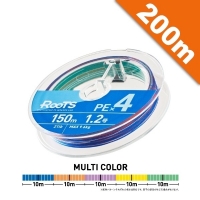
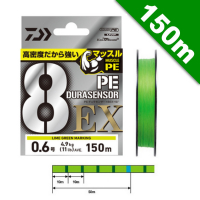
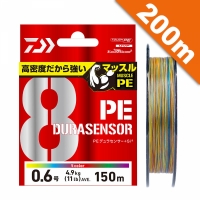
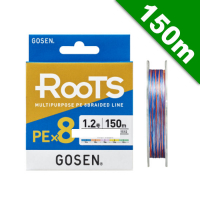
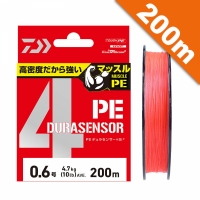
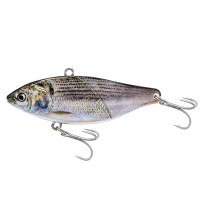
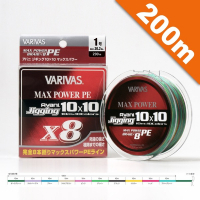
Fast/extra-fast action rods, test 7–28 g or 10–40 g, length 2.1–2.7 m. Reels 2500–3000 with a smooth drag. Braided line PE 0.8–1.5 — essential for feeling the bottom and a solid hookset. Soft plastics 2–5 inches, jig heads from 5 to 40 g depending on conditions.