Micro Jig
What is micro jigging
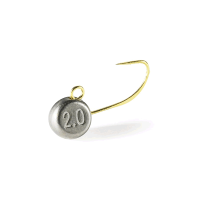
Micro jigging is a form of jig fishing using lures weighing 0.5–10 g, and in some definitions up to 15 g. It is a discipline of precise movements and the finest tackle. A small jig falls slowly and "lively," staying in the fish's field of view longer. This lure behaviour often tempts cautious predators that ignore larger lures.
When and where it is used
Micro jigging is ideal in clear water, light current, and shallow depths — streams, small rivers, and coastal marine zones. It works during the shoulder seasons when fish are inactive, and in summer heat when predators are pressured and finicky. Target species: perch, trout, chub, small sea bass, brown trout.
Core mechanics
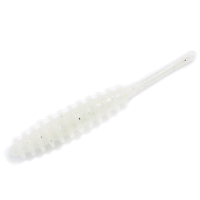
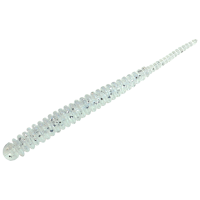
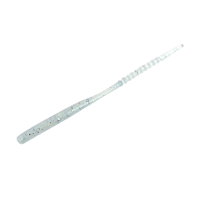
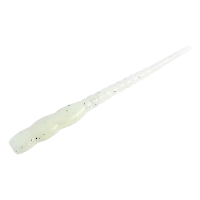
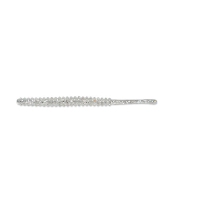
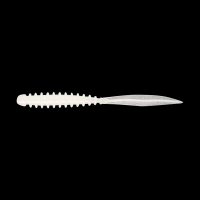
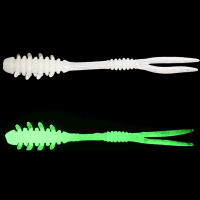
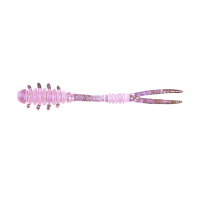
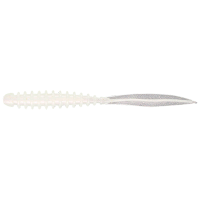
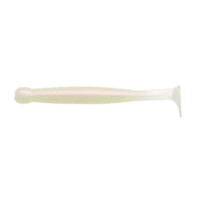
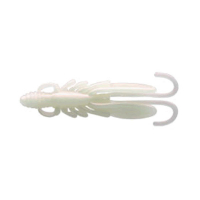
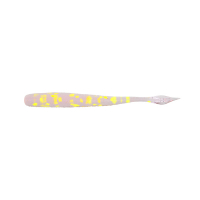
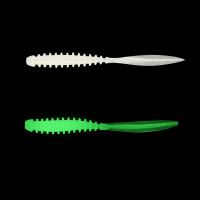
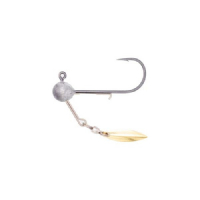
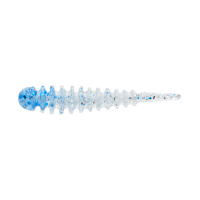
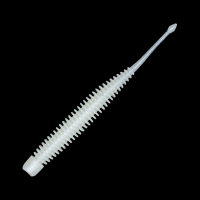
Drop-shot, light jig with small soft plastics, micro crankbait — the main rigs. The retrieve is slow and delicate: small rod-tip twitches, long pauses. Thin braid with no stretch lets you feel even a light tap when the fish barely bites. High tackle sensitivity is the primary requirement.
Tips
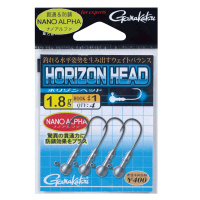
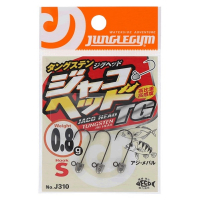
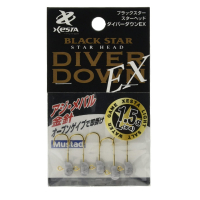
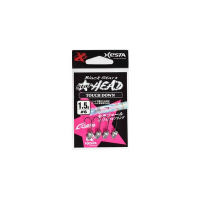
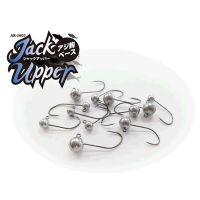
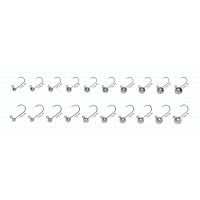
- Tungsten jig heads are smaller at the same weight — less visible in the water.
- A solid-tip rod transmits the lightest tap — key to converting bites.
- A very slow "ladder" retrieve (1–2 reel turns, then pause) is the go-to approach.
- In still water with no current, extend the pause to 3–5 seconds.
- Use barbless hooks — easier to release fish without harm.
Recommended gear
UL (Ultra-Light) rods, length 1.8–2.4 m, test 0.5–7 g, sensitive solid tip. Reels 1000–2500. Braided line PE 0.2–0.6, fluorocarbon leader 0.15–0.2 mm. Soft plastics 1–2.5 inches, tungsten jig heads 1–7 g.