Mullet Fishing
Mullet: character and habitat
Mullet is a cautious schooling fish that holds near the surface in coastal waters, river estuaries, and harbours. It feeds on detritus, algae, and small organisms in silt. Because of its feeding habits it is selective about bait: traditionally caught on vegetable or small-portion animal bait.
Seasonality and behaviour
Active from spring through autumn. On warm summer evenings it comes to the surface, crowded along banks and piers. Schools are clearly visible: fish splash and dimple. Yet taking mullet is not easy — it is very easily spooked and quickly detects the tackle.
What triggers them
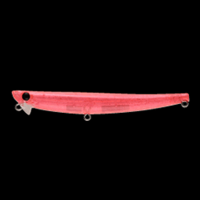
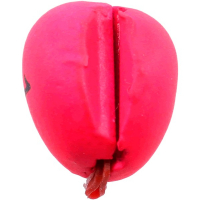
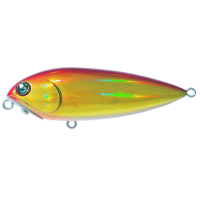
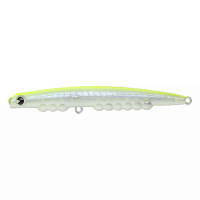
Float fishing with a bread paste, dough, or mussel on the hook is the most reliable method. A small fly fished on the surface, a small spinner on a very slow retrieve, and a soft plastic worm in a float rig are alternatives. Groundbait (bread, bran) keeps the school under the float.
Tips
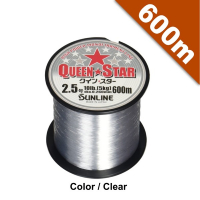
- Ultra-thin line 0.14 mm and a small hook are the key to success.
- Groundbait with bread for 15–20 minutes before fishing — gather the school.
- No noise: mullet flees instantly when the bank vibrates.
- Strike softly and quickly: mullet feels the hook and spits the bait.
- Hunt near harbour walls and piers in calm weather in the evening.
Recommended gear
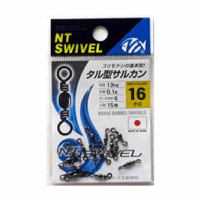
Pole or match rods 5–7 m. Thin monofilament 0.14–0.18 mm. Small floats 2–4 g. Hooks #10–16. For spinning — UL rod with a fly or small lures. Groundbait: bread balls, bran.