Perch Fishing
Perch: habitat and behaviour
Perch is a schooling freshwater predator found in rivers, lakes, and reservoirs of the temperate zone. Small perch hold near the bank in weed beds; larger fish favour drop-offs, snag areas, bridge pilings, and holes with back eddies. Fish are active from spring through autumn; in heat they retreat to depth, and in early autumn move back to the shallows.
Seasonality
Spring — spawn followed by a post-spawn feeding frenzy; perch hold actively near the banks. Summer — rises at dawn and dusk; inactive in the midday heat. Autumn — one of the best seasons: large perch fatten up before winter, chasing fry near the surface and forming "boils." Winter — fishing with tiny lures, slow action.
What triggers them
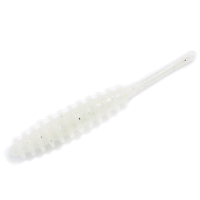
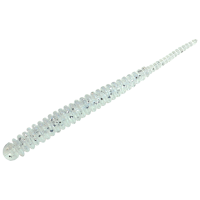
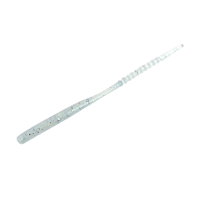
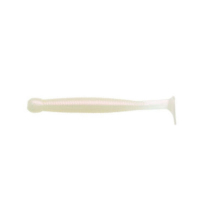
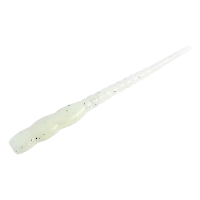
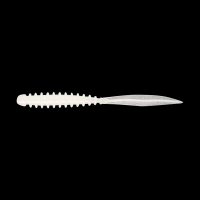
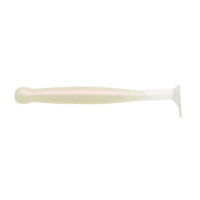
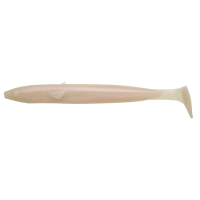
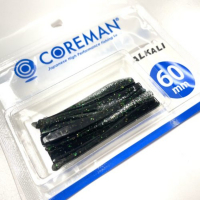
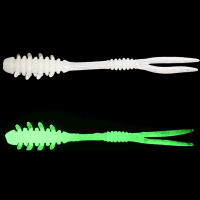
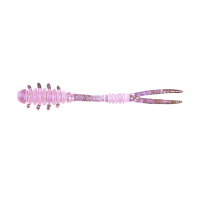
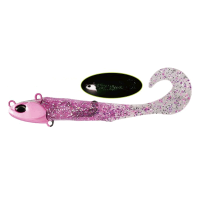
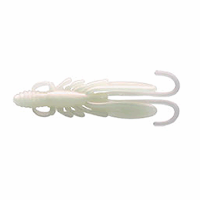
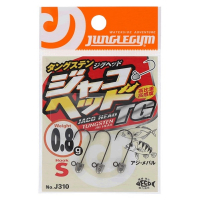
Perch is a greedy hunter: it takes spinners, small crankbaits, soft plastics, and live bait. A particular weakness is inline spinners #1–3 on a slow, steady retrieve. Micro jigging and drop-shot are effective in cold, clear water. In a boil over active perch, any small lure tossed right into the commotion works.
Tips
- A "boil" (perch chasing fry at the surface) — cast right into the center and retrieve fast.
- A red tail or red dot on the lure provides additional triggering.
- In clear water, use thin line and small lures: perch can be cautious.
- Retrieve spinners slowly along the bottom without added weight — big perch are there.
- Do not linger on a dead spot — perch are schooling fish; if there are no bites, they are not there.
Recommended gear
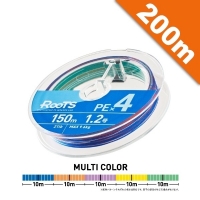
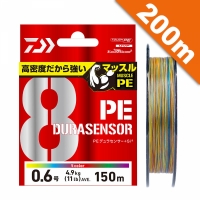
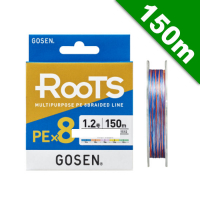
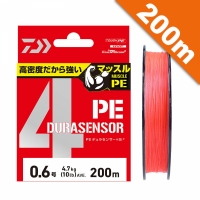
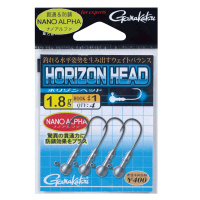
Ultra-Light and Light rods, test 1–12 g, length 1.8–2.4 m. Reels 1000–2500. Braided line PE 0.3–0.8. Lures: inline spinners #1–3, soft plastics 1–3 inches, minnow crankbaits up to 70 mm, drop-shot rig with 3–10 g sinker.