Pike Fishing
Pike: habitat
Pike is the dominant freshwater predator of still and slow-flowing waters. Classic spots: the edge between weeds and open water, snag-filled areas, reed beds, and ledges at bay entrances. Pike hunts from ambush — holding motionless near cover and striking prey with a burst of speed.
Seasonality
The most active periods are spring (pre-spawn and post-spawn feeding frenzy) and autumn (before winter). Summer activity is lower in heat; bites come in the early morning and evening. In winter pike can be caught, but more slowly and with a subtler approach. Large fish are often tied to specific spots throughout the entire season.
What triggers them
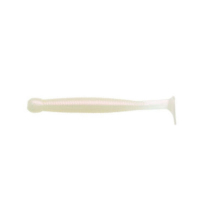
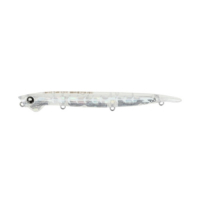
Pike has broad tastes: jerkbaits, large spoons, soft plastics on a jig, spinnerbaits, frogs for fishing in weed cover, and live bait rigs. A large crankbait 10–20 cm on a twitching retrieve is one of the most spectacular and productive methods. A steel leader is mandatory.
Tips
- Pike hold at specific structure: cast precisely to the weed edge or a snag.
- After a strike with no hookset, wait 2–3 seconds — pike turn the prey around before swallowing.
- A large crankbait in the morning on a twitching retrieve is the first option during peak periods.
- A weedless frog is indispensable in dense weed cover.
- A steel leader is mandatory: pike will cut through fluorocarbon in a second.
Recommended gear
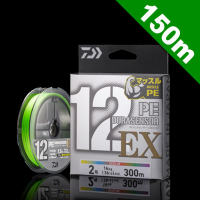
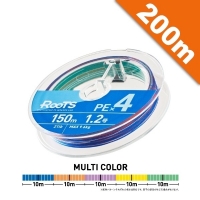
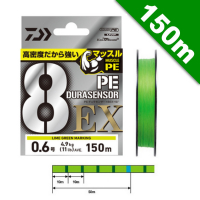
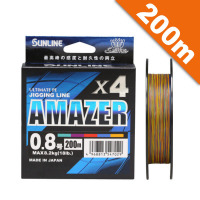
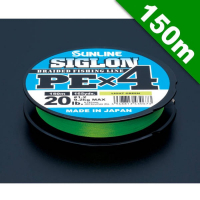
Medium-Heavy rods, test 20–80 g, length 2.1–2.7 m. Reels 3000–4000 or baitcaster. Braided line PE 1.5–3.0. Steel or titanium leader 20–30 cm. Crankbaits 100–200 mm, large spoons, soft plastics 5–7 inches, spinnerbaits.