Sea Bream Fishing
Sea bream: where to look
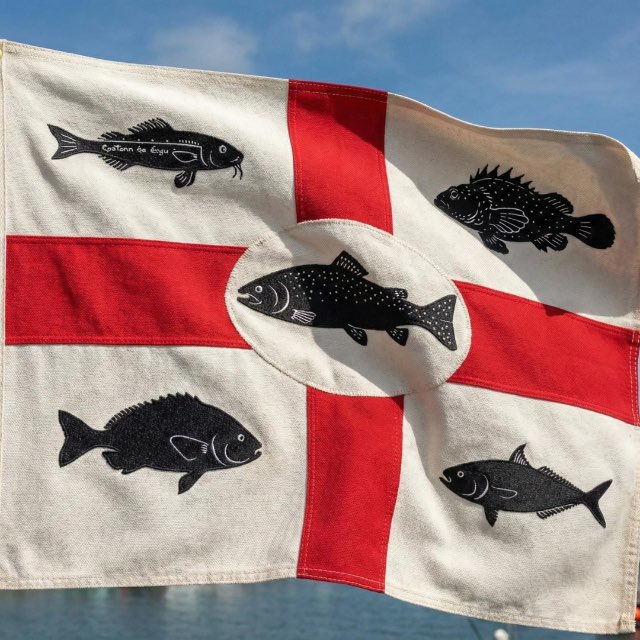
The term "sea bream" covers several species of the family Sparidae: gilthead bream, white sea bream, dentex, and porgies. They hold near rocky and stony bottom, among seaweed, along underwater ridges and piers. Fish feed on crustaceans, molluscs, echinoderms, and small fish.
Seasonality and behaviour
Activity peaks in warm months — spring through autumn. Larger fish hold deeper, smaller fish near the inshore shallows. Bite is in daylight with peaks in the morning and evening. In autumn they move to greater depths.
What triggers them
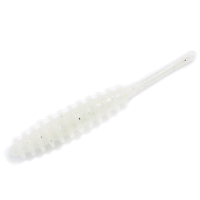
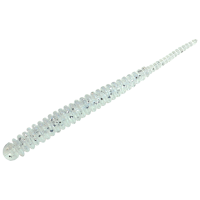
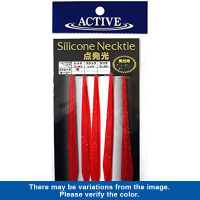
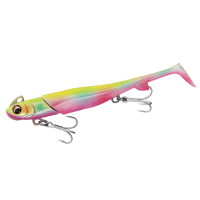
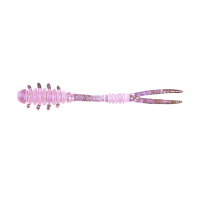
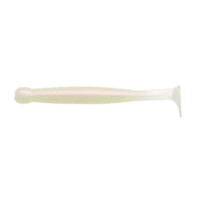
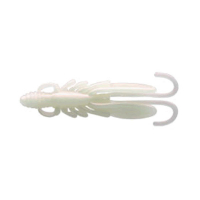
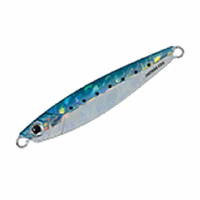
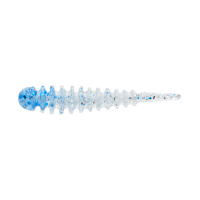
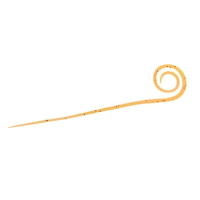
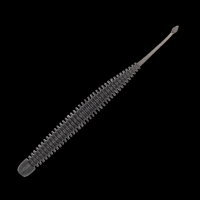
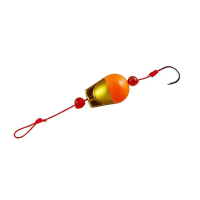
Drop-shot and light jig near the bottom are the primary technique. Small soft plastics imitating crustaceans and worms work well. Natural bait (mussels, pieces of squid, marine worm) is reliable. In a rockfish style — slow retrieve along structure.
Tips
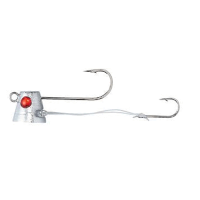
- Drop-shot fixes the lure at the exact depth — above the bottom, but not on it.
- An extremely slow or nearly motionless presentation — sea bream do not chase.
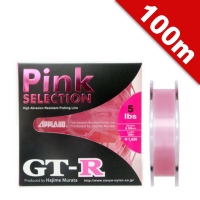
- A fluorocarbon leader is mandatory: good eyesight in clean water.
- Work along submerged rocks and boulders — that is where fish hold.
- Change spots every 15–20 minutes with no bites — a sound tactic.
Recommended gear
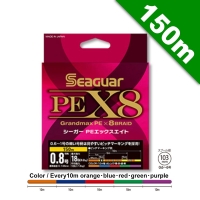
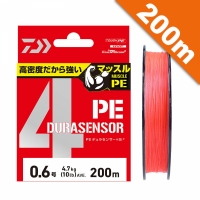
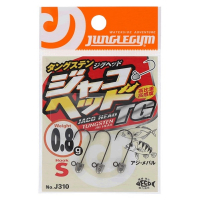
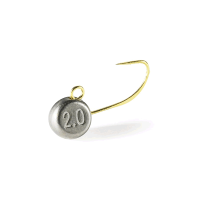
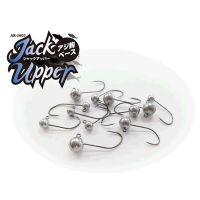
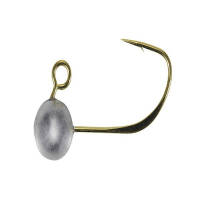
Light rods, test 5–20 g, length 2.1–2.7 m. Reels 2000–3000. Braided line PE 0.6–1.2 with a fluorocarbon leader 0.25–0.35 mm. Drop-shot sinkers 10–20 g, soft plastic worms and craws 2–4 inches, hooks #2–4.