Sea Bass Fishing
Sea bass: habits and habitat
Sea bass (European sea bass, loup de mer) is an active predator that holds near shorelines, river mouths, rocky ridges, and breakwaters. The fish responds strongly to tidal currents: feeding activity peaks in the first hours of the incoming tide and at the start of the ebb. During these windows sea bass move onto flats and structure to hunt small fish and crustaceans.
Seasonality and behaviour
In summer sea bass are very active, often chasing baitfish at the surface — splashes are visible. In autumn they move deeper and switch to larger lures. In winter activity drops, but large fish can still be caught around deep cover. Night fishing is often more productive than day fishing: around lights and illuminated shorelines, sea bass hunt plankton and fry.
What triggers them
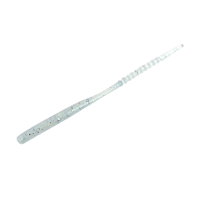
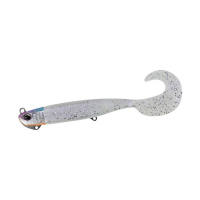
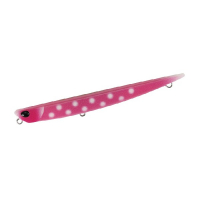
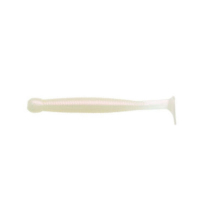
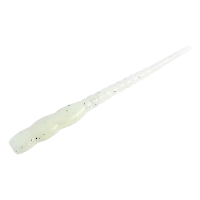
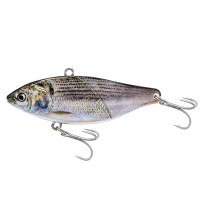
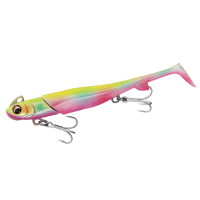
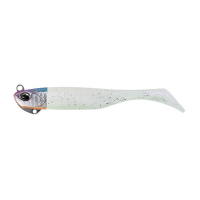
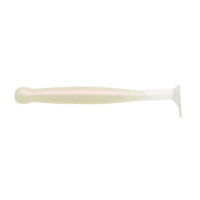
Sea bass is an opportunistic predator: it takes crankbaits, soft plastics, metal lures, and egi. Twitching minnow crankbaits and slow suspending models on the pause are classics. Soft plastic fish and worms on a light jig work near the bottom. Surface lures (pencil baits, poppers) are effective at dusk and at night over feeding fish.
Tips
- Fish the tidal transitions — peak feeding activity.
- Around lights and illuminated bridges at night is a proven tactic.
- Stay quiet on the bank: sea bass is sensitive to vibrations and will move off.
- A fluorocarbon leader is mandatory — sharp-sighted fish in clear water.
- After a strike, let the sea bass tire: forcing the fight risks losing the fish.
Recommended gear
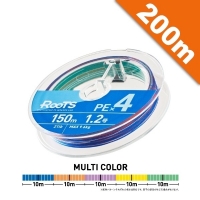
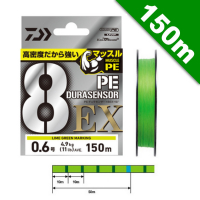
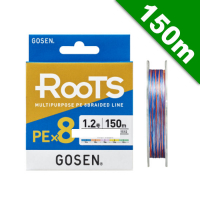
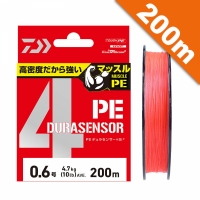
Spinning rods Light/Medium-Light test 7–28 g, length 2.4–3.0 m. Reels 3000–4000. Braided line PE 0.8–1.5 with a fluorocarbon leader. Lures: minnow crankbaits 80–120 mm, soft plastic fish 3–5 inches, light metal jigs 15–40 g, surface lures.