Shore Casting
What is shore casting
Shore casting is a style of saltwater fishing from the beach using powerful rods and heavy lures. The goal is to reach productive spots that lie well beyond the surf line: drop-offs, submerged reefs, and fish-holding areas out of range for standard spinning gear. Cast distances of 50–120 m are normal for this technique.
When and where it is used
Fishing is done from open beaches, headlands, rocky outcrops, and piers. Spots with strong current and sharp drop-offs are most productive. Primary targets are large sea bass, horse mackerel, bluefish, garfish, and other pelagic and demersal species. Activity often peaks at dawn and dusk.
Core mechanics
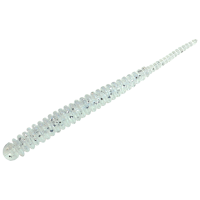
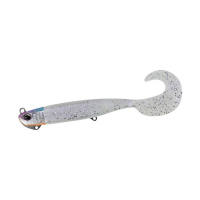
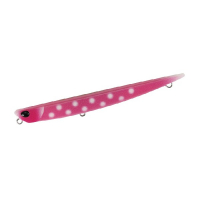
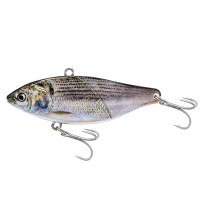
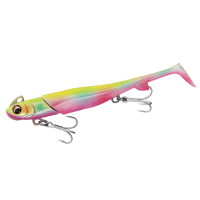
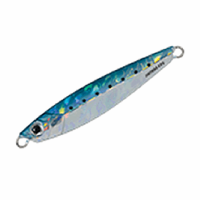
A long, powerful rod (2.7–4.5 m) enables a full overhead or sidearm cast. Lures are heavy metal jigs, pilkers, pelet jigs, large spinners, and spoons weighing 30–120 g. Retrieve: steady or jerked depending on the target. Distance and casting accuracy are critical.
Tips
- Casting technique matters more than muscle: drill the pendulum cast for consistent results.
- Vary the retrieve pace: fast near the surface, slower in the mid-column.
- Watch the tide: predator activity often coincides with the start of the incoming tide.
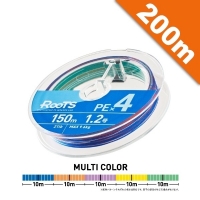
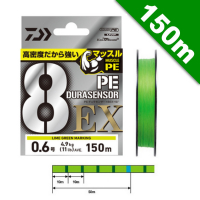
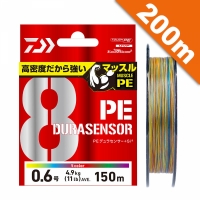
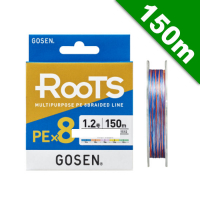
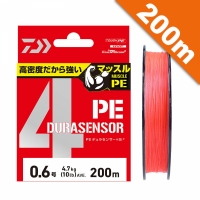
- Braided line with minimal bow is the key to long casts — do not go too heavy on diameter.
- After the cast, let the lure sink to the target depth before starting the retrieve.
Recommended gear
Shore jigging rods, test 40–120 g, length 2.7–4.0 m. Reels 4000–6000 with a powerful rotor. Braided line PE 1.5–3.0 for minimal air resistance on the cast. Pilkers and metal jigs 40–120 g, plus assist hooks.