Spinning
What is spinning
Spinning is one of the most common methods of actively targeting predatory fish. The concept is straightforward: the angler repeatedly casts an artificial lure and retrieves it through the water column, imitating the movement of prey. Predators strike the lure responding to motion, vibration, or flash.
When and where it is used
The method works on open water — rivers, lakes, reservoirs, and coastal saltwater. Seasonality depends on the target species: spinning is effective from early spring through late autumn for actively feeding predators, and year-round where climate permits. The retrieve depth (surface, mid-water, bottom) and pace are adjusted to match fish behavior on any given day.
Core mechanics
Casts are made with a rod fitted with line guides; the line or braid is spooled onto a spinning or baitcasting reel. After the cast comes the retrieve: steady, step, or jerked — depending on the lure and fish activity. Key skills are depth control, reading currents, and matching the retrieve tempo.
Tips
- Vary the retrieve pace and depth until you find the day's productive combination.
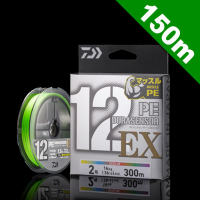
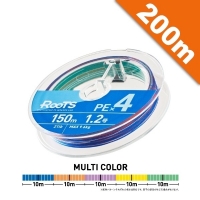
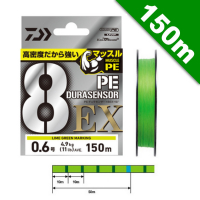
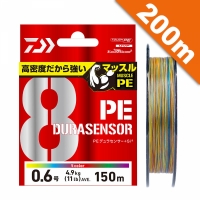
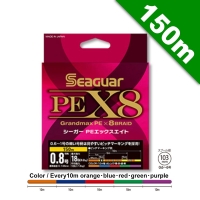
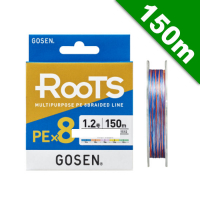
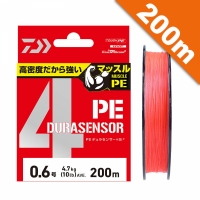
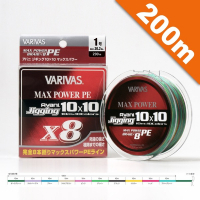
- Braided line instead of monofilament gives direct contact with the lure and a clean hookset.
- In clear water, use a fluorocarbon leader — it is nearly invisible.
- Read the bottom structure: drop-offs, holes, and eddies concentrate predators.
- After a bite on the pause — return to that spot: the fish is still there.
Recommended gear
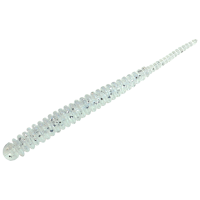
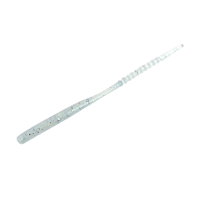
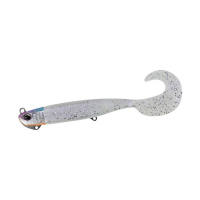
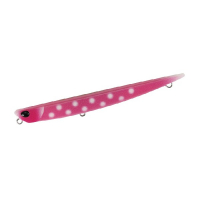
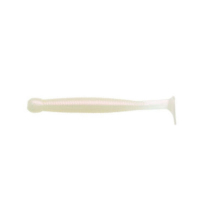
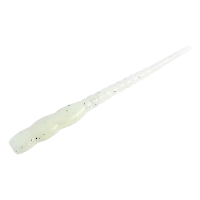
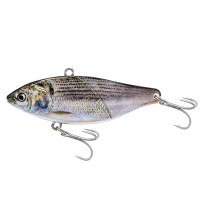
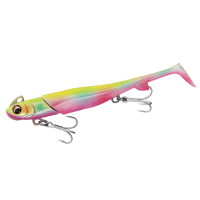
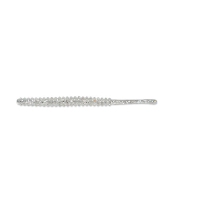
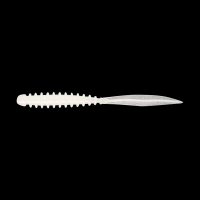
Spinning rods range from 3–10 g test (light class) to 20–60 g (heavy). Fast or extra-fast action provides good sensitivity and long-distance casting. Spinning reels 2500–4000 paired with braided line PE 0.8–2.0 are the standard for most conditions. Lures: spinners, spoons, crankbaits, jig heads with soft plastics, poppers.