Trolling
What is trolling
Trolling is a method in which one or more lures are towed behind a moving boat. This allows you to cover a large area of water and quickly locate the depth and holding zone of fish. When speed and diving depth are set correctly, the crankbait or other lure runs steadily on course.
When and where it is used
Trolling is used on reservoirs, large lakes, rivers with moderate current, and in marine bays. The method is effective for zander, catfish, trout, salmon, pike, and in saltwater for tuna, yellowtail, and other pelagic species. Best results come when searching along drop-offs and ledges.
Core mechanics
Each rod is set in a holder. The crankbait or spoon is lowered to the target depth: diving depth is controlled by line length, lure design (lip angle), and additional weights or diver planes. Boat speed is matched to the specific lure — typically 2–7 km/h. Several rods are set at different depths to cover the water column.
Tips
- Mark the amount of line let out — repeat the same depth on return passes.
- Travel along ledges, not across them — that is where fish hold.
- Slow down on turns — the crankbait changes depth and tempo, often triggering a strike.
- Check lures after each pass: weed on the hook kills the action.
- A reel clicker signals a bite without constant watching.
Recommended gear
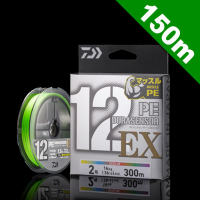
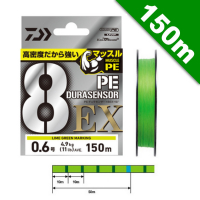
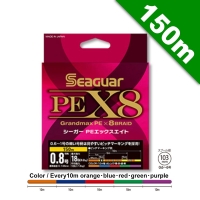
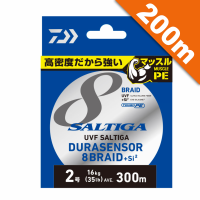
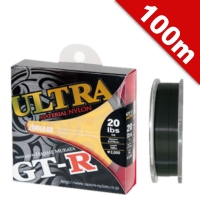
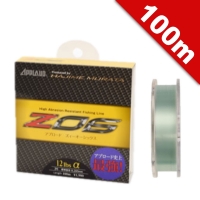
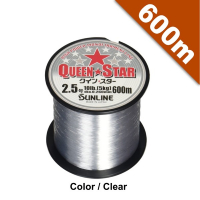
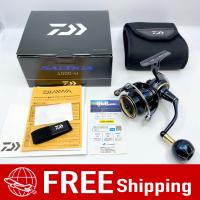
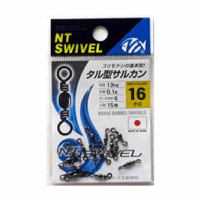
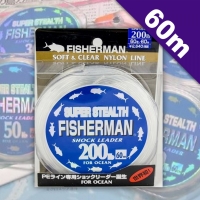
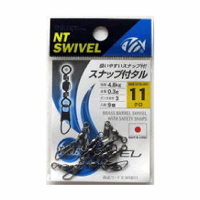
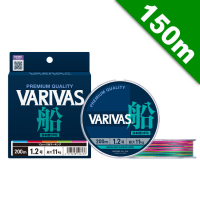
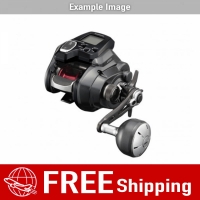
Trolling rods, stiff or medium action, test 20–100 g, length 1.8–2.4 m. Powerful spinning or conventional reels with a large line capacity. Monofilament or braided line PE 1.5–4.0. Crankbaits with stable action at trolling speed, deep-diving divers, spoons.