Trout Fishing
Trout: habitat
Trout is a fish of clean, cold, well-oxygenated waters: mountain streams, fast-flowing rivers, and lakes. Stream trout holds behind cover — rocks, fallen trees, undercut banks — in current that delivers food. Lake trout selects cold, deep sections.
Seasonality and behaviour
Trout is most active in cool conditions: early spring, autumn, and cold summer mornings. On hot summer days it retreats to depth or to cold-water inflows. It feeds on insects (larvae, adult), small fish, and crustaceans. Trout is cautious and easily spooked — a stealthy approach is essential.
What triggers them
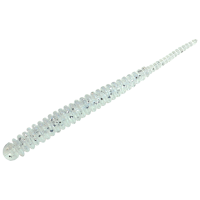
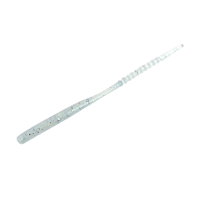
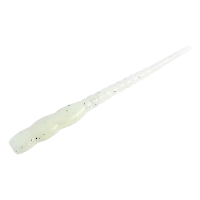
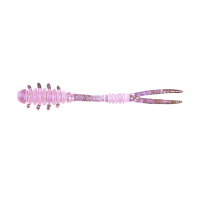
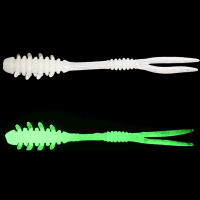
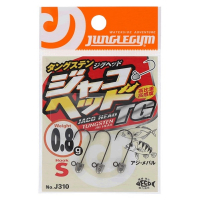
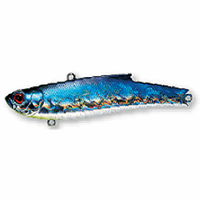
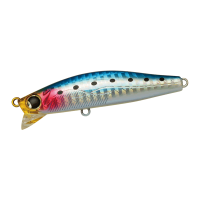
Spinning with small spinners and crankbaits, fly fishing, and ultra-light with small soft plastics are the main methods. Small-number spinners, minnow crankbaits 40–70 mm, and spinnerbaits work well in streams. In clear water, use natural colours; in murky water — bright, gold.
Tips
- Approach the river cautiously and keep a low profile — trout can see the angler's silhouette.
- Cast upstream and let the lure drift with the current — a natural presentation.
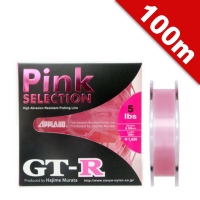
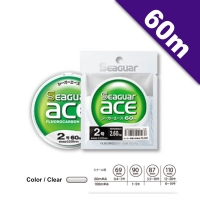
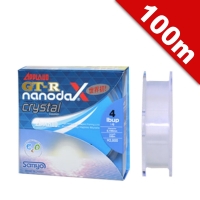
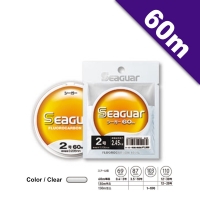
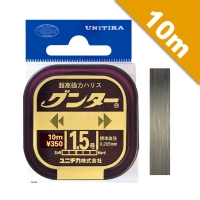
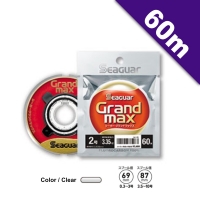
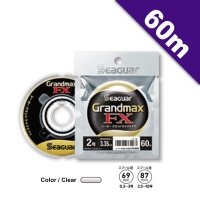
- In clear mountain rivers, a thin leader 0.14–0.16 mm is mandatory.
- Barbless hooks make it easier to release fish — catch-and-release practice.
- Morning and evening are the best times; trout is inactive at midday in warm weather.
Recommended gear
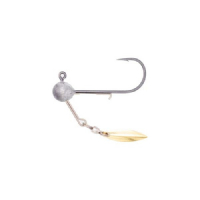
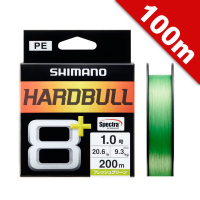
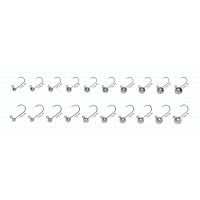
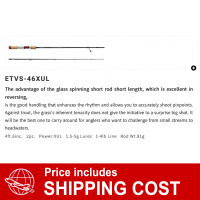
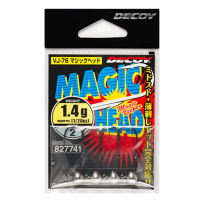
Ultra-Light rods, test 1–7 g, or fly rods class 3–5. Reels 1000–2000. Braided line PE 0.3–0.6 or monofilament 0.14–0.18 mm. Spinners #0–2, minnow crankbaits 40–70 mm, small soft plastics 1–2 inches.