Tuna Fishing
Tuna: characteristics and behaviour
Tuna is one of the most powerful and fastest marine predators. A pelagic fish living in open water and actively migrating. It hunts mackerel, anchovy, and squid — anything that moves quickly and schools up. Tuna often drives bait to the surface, creating characteristic "blitzes."
Where and when to look
Tuna are caught in open water, over banks and underwater ridges, well offshore. Key indicators are birds, dolphins, and surface blitzes. Season and migration routes depend on the species (skipjack, yellowfin, bluefin) and region. Primary fishing is from a boat, by trolling or vertical jigging.
What triggers them
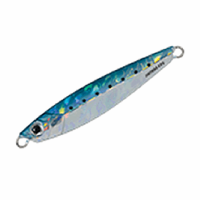
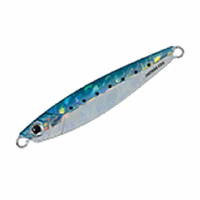
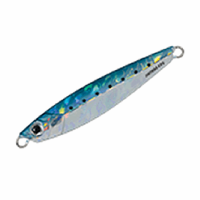
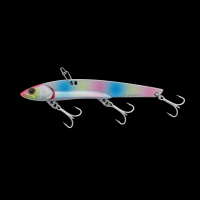
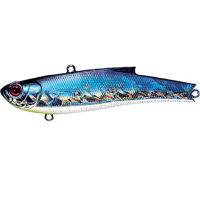
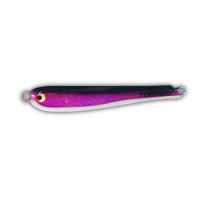
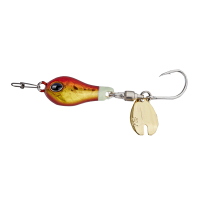
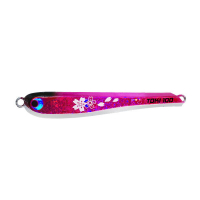
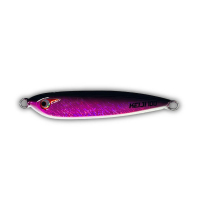
Metal jigs 150–400 g in high-speed and slow-pitch vertical jigging are the baseline technique. Trolling with high-speed crankbaits. Surface poppers during blitzes — a thrilling method. Tuna is powerful: tackle must be rated for heavy, sustained runs.
Tips
- Set the drag before you cast: tuna makes its hardest runs at the start of the fight.
- In a blitz, cast to the center of the school and retrieve fast — tuna attacks on instinct.
- Lower the vertical jig to exactly the fish depth shown on the fish finder.
- A fluorocarbon leader 0.8–1.2 mm handles tooth and gill abrasion.
- Do not rush landing a large tuna: work the drag, protect your tackle.
Recommended gear
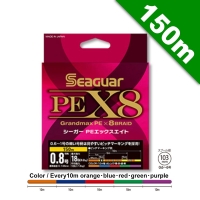
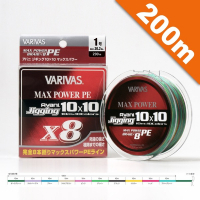
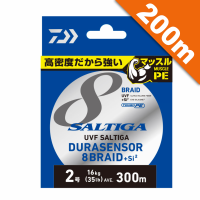
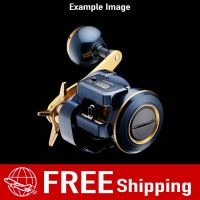
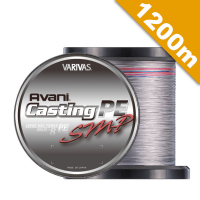
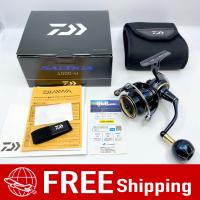
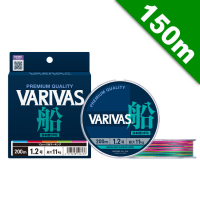
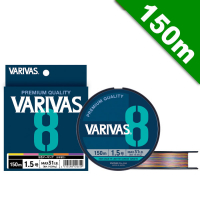
Heavy rods rated PE 3–8, length 1.7–2.0 m (vertical jigging) or 2.4–3.0 m (trolling). Reels 6000–18000 with a powerful drag. Braided line PE 3.0–8.0. Metal jigs 150–400 g, large poppers, high-speed crankbaits.