Twitching
What is twitching
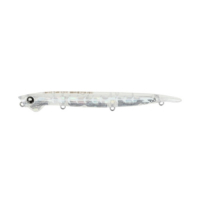
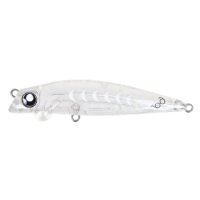
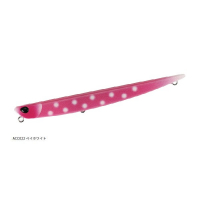
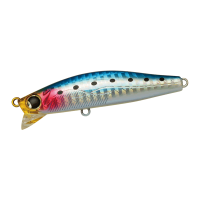
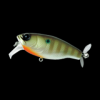
Twitching is a retrieve technique where the rod tip drives a crankbait with sharp, short strokes. A rod-tip tap ("twitch") makes the minnow dart sharply to one side; the lure then suspends or slowly rises on the pause. This erratic motion imitates a stunned or injured baitfish — easy prey for a predator.
When and where it is used
Twitching is used where fish are holding in the upper and mid-water column: near the surface, along weed edges, and around snags. It is especially effective for pike, perch, zander, and sea bass in spring and early autumn — periods of high activity. Shallow minnows work close to the bank; suspending models hold at depth on the pause.
Core mechanics
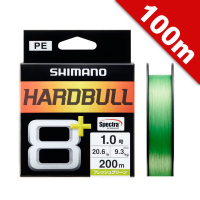
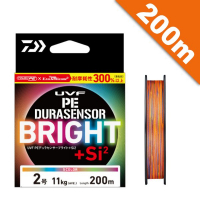
The twitch cadence varies: a fast series of 2–5 jerks followed by a long pause during active feeding periods; single slow jerks with 3–5 second pauses for inactive fish. The rod is held at a 30–45° angle to the water; the stroke comes from the tip or the wrist. Braided line with no stretch is essential — it transmits the jerk directly.
Tips
- The suspending model works on the pause — put your focus there.
- Braided line with no stretch transmits the jerk cleanly: monofilament absorbs the twitch.
- Try different cadences: 2 twitches — 2 s pause, or 4 twitches — 5 s pause.
- A snap instead of tying directly gives the crankbait a freer action.
- Autumn cold-water period — lengthen the pauses; fish do not chase fast lures.
Recommended gear
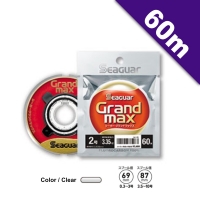
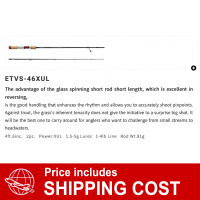
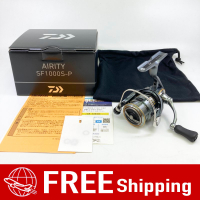
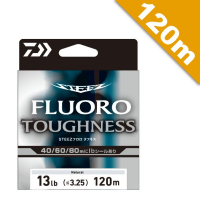
Medium or Medium-Light fast/extra-fast action rods, test 5–20 g, length 2.0–2.4 m. Reels 2500–3000. Braided line PE 0.8–1.5, fluorocarbon leader or snap swivel. Floating/suspending minnow crankbaits 70–130 mm.