Vertical Jigging
What is vertical jigging
Vertical jigging is a technique in which the lure is lowered directly beneath the boat and animated with vertical rod strokes. This is not anchor fishing: the jig works actively through the water column, imitating a wounded baitfish. The method is popular when fishing open water at significant depths.
When and where it is used
The technique works best from a drifting boat over banks, underwater ridges, and drop-offs. Depth ranges from 15 to 150+ m depending on the target species. A key advantage is the ability to work precisely through a school of fish located with a fish finder. Target species: horse mackerel, tuna, yellowtail, rockfish, zander on reservoirs.
Core mechanics
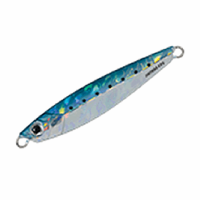
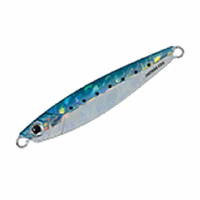
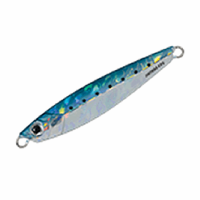
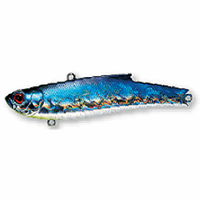
A long metal jig or pilker (elongated shape, asymmetric center of gravity) is lowered to the target depth. The rod then drives a series of fast upward strokes — "one pitch one jerk" (one sweep per stroke) or "slow pitch" (a slow, smooth sweep with a pause). On each pause the jig glides sideways, enticing the predator.
Tips
- The descent speed of the jig is as important as the lift — control free-fall carefully.
- Slow Pitch produces more strikes in cold or murky water.
- A fish finder is essential: lower the jig right into the fish's depth band.
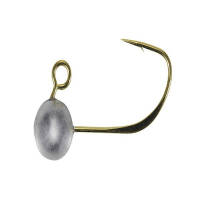
- Assist hooks fore and aft increase hookup rate.
- Change jig colour and shape until you find the day's productive option.
Recommended gear
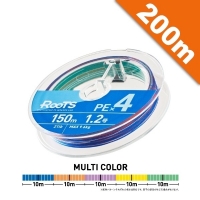
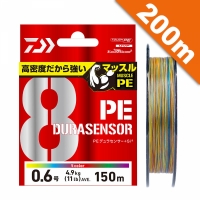
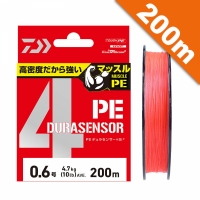
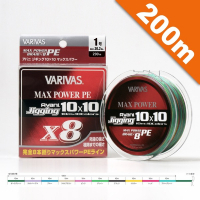
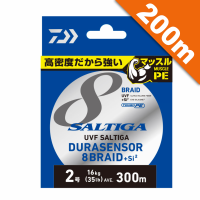
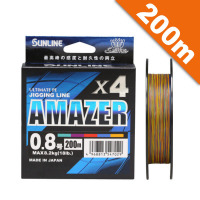
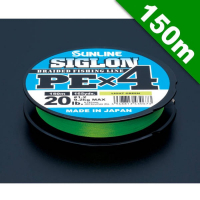
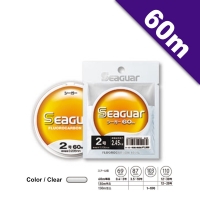
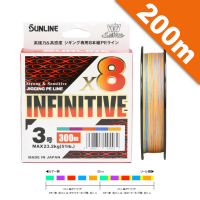
Jigging rods PE 2–4 (Slow Pitch or High Speed), length 1.6–1.9 m. Conventional or spinning reels with a high gear ratio. Braided line PE 1.5–4.0 depending on depth and current. Metal jigs 80–400 g, assist hooks on a split ring.