Zander Fishing
Zander: habitat and behaviour
Zander is a classic bottom-hugging predator of large rivers and reservoirs. It prefers hard, stony, or sandy bottom with depth changes: ledges, hole edges, and underwater ridges. Fish hold near structure, hunting from ambush. Zander is light-sensitive: most active at dusk, at night, and on overcast days.
Seasonality
Autumn is the best season: zander feeds heavily before winter, occupying clear spots on ledges. Spring (after spawn) is the second activity peak. In summer, night fishing is more productive. In winter, zander is caught on slow jig, and where ice forms — on balance jigs and vertical spoons.
What triggers them
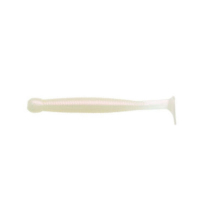
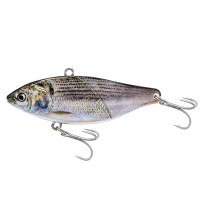
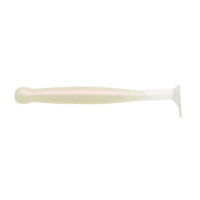
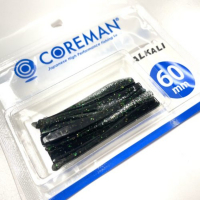
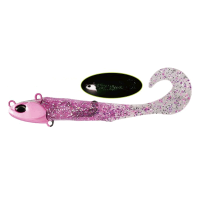
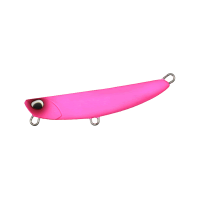
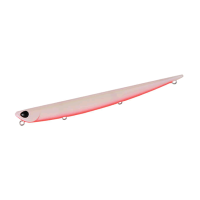
Jigging is the primary technique for zander: step retrieve along a ledge. Soft plastics in natural colours (white, yellow, pearl) are standard; in murky water — chartreuse. Jerkbaits worked near the bottom, paddle tails on heavy heads for strong current. Zander frequently strikes on the pause.
Tips
- Fish strictly along the ledge, not across it — zander hold there.
- A 3–5 second pause in the step retrieve — most strikes happen on the fall.
- Night fishing from sunset to midnight is peak zander activity in summer.
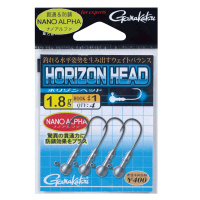
- A hook too small for a large lure reduces hookups — match them proportionally.
- In cold water slow down to the maximum: one lift, long pause.
Recommended gear
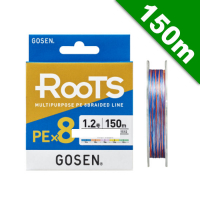
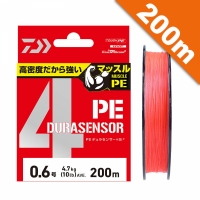
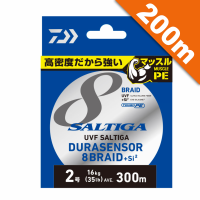
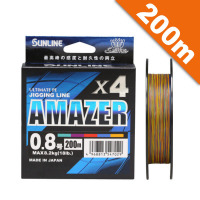
Medium rods, test 10–35 g (rivers) or 15–50 g (reservoirs), fast action. Reels 2500–3500. Braided line PE 1.0–2.0 for good sensitivity at depth. Soft plastics 3–5 inches, jig heads 10–40 g, fluorocarbon leader.